

6/5/4/3/2/1一键预约轻松体验服务,可直接去距离自己的线下体验店约茶会时间: 24:00小时完成签到.

“今日推荐同城约茶服务平台-进入查看咨询-【点开获取联系方式】-是国内茶友最为活跃的约茶论坛【进入网站查看约会服务】主要经营内容本地信息,24小时上门约茶,,茶VX二维码,24小时喝茶,品茶工作室,约茶服务,可约可空降,快餐,联系电话,空降服务,附近约茶,品茶服务,空降24小时,同城约会交友,附近喝茶,免费上门,上门服务平台,附近卖身,接私活,人到付款,同城服务,品茶,喝茶,过夜,酒店宾馆,qq,做完付款,新茶,微信【<查看网站上门咨询>】让欢迎客户来电咨询,?在快节奏的现代生活中,人们越来越渴望找到一片宁静之地,与亲朋好友共享一段悠闲时光,约茶服务“app怎么约茶:探索与你APP,轻松约茶,共享美好时光1231。
European Council President Charles Michel said on Monday that he wants the European Union to be ready for enlargement by 2030, words that aim to ease the frustration of EU candidate members but were immediately challenged by the bloc's experts.
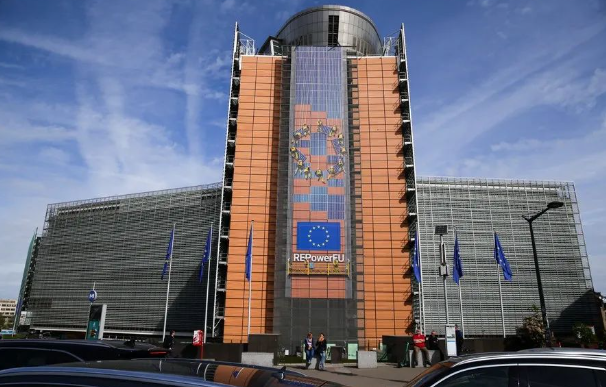
▲People rest outside the European Commission building during the Open Day of the European institutions in Brussels, Belgium, May 6, 2023. [Photo/Xinhua]
Eight countries have been granted EU candidate status, namely Turkiye, North Macedonia, Montenegro, Serbia, Albania, Moldova, Ukraine, and Bosnia and Herzegovina, with the last three being granted last year.
"There is still a lot of work to do," Michel said. "It will be difficult and sometimes painful, for the future member states and for the EU.
"I believe we must be ready — on both sides — by 2030 to enlarge."
The former Belgian prime minister called the target "ambitious, but necessary".
"It shows that we are serious. It will build momentum. It will give a transformative boost to reforms and it will generate interest, investments and better understanding, and encourage us all to work together," he said.
The enlargement will remain a "merit-based process", Michel said, citing the criteria relating to rule of law, judicial independence, economic reforms and aligning with the EU's foreign policy.
He also touched on the EU's controversial unanimous decision-making process that some argue have made the bloc less efficient and less effective.
"Completely scrapping unanimity could be throwing the baby out with the bath water," he said.
Slovenia's Prime Minister Robert Golob told the forum that EU preparations for accession "must happen in the next 12 months or they will not happen for a very long time", words that reflect the frustration of the slow enlargement process.
France's President Emmanuel Macron said on Monday that the EU needs to reform if it wants to admit new members.
"The risk is to think we can enlarge without reform, I can testify that it is hard enough for Europe to advance on sensitive topics with 27 members. With 32 or 35 members, it won't be any easier," he told the annual meeting of French ambassadors in Paris.
"We will need audacity, to accept more integration in some areas and maybe even a multispeed Europe," he said, without specifying what he meant by "multispeed" Europe.
Intense discussion
Carl Bildt, former Swedish prime minister and now co-chair of the European Council on Foreign Relations, or ECFR, said the discussion on EU enlargement is heating up, and now Michel says that both applicants and the EU should be ready for enlargement by 2030.
"I'm not entirely certain what he means by that, and I'm not entirely certain he knows himself," Bildt said in a post on X, formerly Twitter.
Piotr Buras and Engjellushe Morina, senior fellows at the ECFR, noted in a paper last month that "supporters of enlargement should be under no illusion" despite the increased support.
"Skepticism and concerns about the prospects for an enlarged union are still widespread, and these powerful currents will inevitably resurface," they wrote, citing the recent grain dispute when Poland, regarded as Ukraine's strong supporter, sought to prevent the entry of Ukrainian agricultural products into the single market.
Philip Pilkington, an Irish economist, questioned the readiness of two new candidate members of Ukraine and Moldova.
He said that problems arise on the reconstruction of Ukraine, which the World Bank currently estimates at $411 billion, but the EU's total regional development budget last year was only $32.6 billion.
Reporter: Chen Weihua
-
About Us
Company profile
Brand interpretation
Processing base
Development history
Honor of qualification
Enterprise culture
-
Main business
扫微信二维码上门服务-同城百度
IMPORT
-
News
二维码加微信叫小妹
Industry news
今日分享同城约茶空降服务
Hot track
-
Social responsibility
Social responsibility
-
Contact Us
今日推荐同城约茶服务电话:【进入平台叫小妹服务】同城约茶到家,同城叫小妹服务,新茶嫩茶服务:【查看同城约新茶服务】
6/5/4/3/2/1一键预约轻松体验服务,可直接去距离自己的线下体验店约茶会时间: 24:00小时完成签到.


“今日推荐同城约茶服务平台-进入查看咨询-【点开获取联系方式】-是国内茶友最为活跃的约茶论坛【进入网站查看约会服务】主要经营内容本地信息,24小时上门约茶,,茶VX二维码,24小时喝茶,品茶工作室,约茶服务,可约可空降,快餐,联系电话,空降服务,附近约茶,品茶服务,空降24小时,同城约会交友,附近喝茶,免费上门,上门服务平台,附近卖身,接私活,人到付款,同城服务,品茶,喝茶,过夜,酒店宾馆,qq,做完付款,新茶,微信【<查看网站上门咨询>】让欢迎客户来电咨询,?在快节奏的现代生活中,人们越来越渴望找到一片宁静之地,与亲朋好友共享一段悠闲时光,约茶服务“app怎么约茶:探索与你APP,轻松约茶,共享美好时光1231。