

6/5/4/3/2/1一键预约轻松体验服务,可直接去距离自己的线下体验店约茶会时间: 24:00小时完成签到.

“今日推荐同城约茶服务平台-进入查看咨询-【点开获取联系方式】-是国内茶友最为活跃的约茶论坛【进入网站查看约会服务】主要经营内容本地信息,24小时上门约茶,,茶VX二维码,24小时喝茶,品茶工作室,约茶服务,可约可空降,快餐,联系电话,空降服务,附近约茶,品茶服务,空降24小时,同城约会交友,附近喝茶,免费上门,上门服务平台,附近卖身,接私活,人到付款,同城服务,品茶,喝茶,过夜,酒店宾馆,qq,做完付款,新茶,微信【<查看网站上门咨询>】让欢迎客户来电咨询,?在快节奏的现代生活中,人们越来越渴望找到一片宁静之地,与亲朋好友共享一段悠闲时光,约茶服务“app怎么约茶:探索与你APP,轻松约茶,共享美好时光1231。
The complete implementation of the Regional Comprehensive Economic Partnership agreement will help bolster trade and investment between China and other participating countries, and will advance long-term prosperity and growth for the global economy, according to trade experts and business executives.
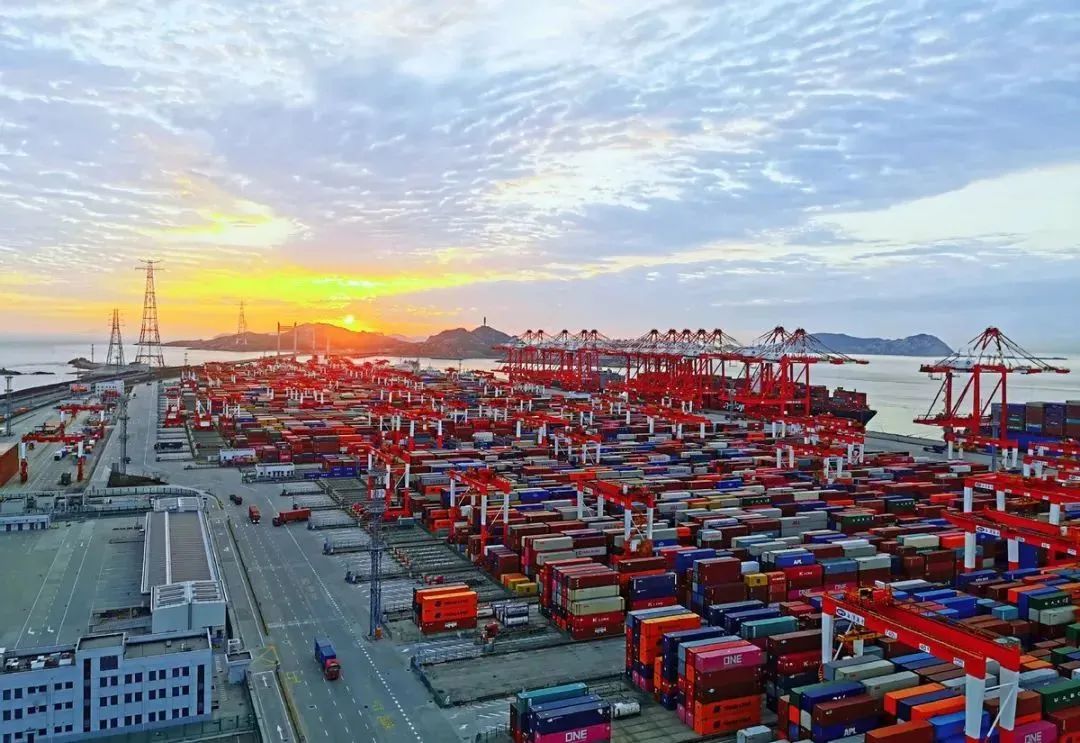
▲A view of Shanghai's Yangshan Port in East China. [Photo/Xinhua]
Their comments on Wednesday came after the Philippines deposited its instrument of ratification of the RCEP agreement with the secretary-general of the Association of Southeast Asian Nations on April 3, marking the final step toward the agreement's full implementation.
The trade pact took effect for the first 10 ratifying countries on Jan 1 last year.
Under RCEP rules, the trade deal will take effect for the Philippines 60 days after the deposit of ratification, or June 2. At that time, the world's largest free trade agreement will come into full effect for all 15 signatory countries, the Ministry of Commerce said in a statement on Wednesday.
The ministry said the full implementation of the RCEP pact will meet the needs of China's consumption expansion and upgrade, and consolidate regional industrial and supply chains.
Liu Qing, vice-president of the Beijing-based China Institute of International Studies, said the agreement's full implementation will also expedite the integration of capital, resources, technologies and services, forming a comprehensive cycle of regional economic cooperation.
As a result, RCEP members will be able to accelerate the optimization of resources and promote institutional opening-up, therefore expanding their global presence and strengthening their competitive edge, said Liu.
The integration will also help stabilize regional industrial chains and provide a stronger buffer against external risks, he added.
China's foreign trade with other RCEP economies grew by 7.5 percent year-on-year to 12.95 trillion yuan ($1.88 trillion) in 2022, accounting for 30.8 percent of the country's total exports and imports last year, statistics from the General Administration of Customs show.
China's nonfinancial direct investment in other RCEP countries surged 18.9 percent year-on-year to $17.96 billion last year, while the nation attracted $23.53 billion of investment from other RCEP members, up 23.1 percent year-on-year.
Zhao Ping, vice-dean of the Beijing-based Academy of China Council for the Promotion of International Trade, said the RCEP has boosted the confidence of its member countries in free trade, green development and regional economic integration, particularly amid global geopolitical complexities.
She said the mega pact will facilitate cooperation among countries at different stages of development, providing them with opportunities to work together and benefit from mutual cooperation. The RCEP will also continue to inject vitality into the global economy, making industrial and supply chains more resilient.
According to an estimate by the Washington-based Peterson Institute for International Economics, the RCEP is expected to see a net annual increase of $519 billion in exports and $186 billion in national income of its members by 2030.
As the RCEP has created favorable conditions for boosting two-way investment and foreign trade volume, companies from participating countries will show a stronger inclination to participate in various trade shows in the Asia-Pacific region in the years ahead, said Wolfgang Marzin, president and CEO of Germany's Messe Frankfurt, one of the world's largest trade fair and event organizers by sales revenue.
The Ministry of Commerce said that under RCEP rules, Chinese products, including automobiles and parts, certain types of plastic products, textile and clothing products, air conditioners and washing machines, will enjoy favorable tariff treatment from the Philippines.
After a transitional period, tariffs on these products will gradually be reduced to zero from their current range of 3 to 30 percent of the tariff rate.
Fresh durians from the Philippines were shipped to China last week, after China and the Southeast Asian country signed an export protocol in Beijing in January.
From pineapples to avocados, and now durians, the vast Chinese market is constantly generating fresh business opportunities for the Philippines, said Ding Lixin, a researcher at the Chinese Academy of Agricultural Sciences in Beijing.
Reporter: Zhong Nan
-
About Us
Company profile
Brand interpretation
Processing base
Development history
Honor of qualification
Enterprise culture
-
Main business
扫微信二维码上门服务-同城百度
IMPORT
-
News
二维码加微信叫小妹
Industry news
今日分享同城约茶空降服务
Hot track
-
Social responsibility
Social responsibility
-
Contact Us
今日推荐同城约茶服务电话:【进入平台叫小妹服务】同城约茶到家,同城叫小妹服务,新茶嫩茶服务:【查看同城约新茶服务】
6/5/4/3/2/1一键预约轻松体验服务,可直接去距离自己的线下体验店约茶会时间: 24:00小时完成签到.


“今日推荐同城约茶服务平台-进入查看咨询-【点开获取联系方式】-是国内茶友最为活跃的约茶论坛【进入网站查看约会服务】主要经营内容本地信息,24小时上门约茶,,茶VX二维码,24小时喝茶,品茶工作室,约茶服务,可约可空降,快餐,联系电话,空降服务,附近约茶,品茶服务,空降24小时,同城约会交友,附近喝茶,免费上门,上门服务平台,附近卖身,接私活,人到付款,同城服务,品茶,喝茶,过夜,酒店宾馆,qq,做完付款,新茶,微信【<查看网站上门咨询>】让欢迎客户来电咨询,?在快节奏的现代生活中,人们越来越渴望找到一片宁静之地,与亲朋好友共享一段悠闲时光,约茶服务“app怎么约茶:探索与你APP,轻松约茶,共享美好时光1231。