

6/5/4/3/2/1一键预约轻松体验服务,可直接去距离自己的线下体验店约茶会时间: 24:00小时完成签到.
“今日推荐同城约茶服务平台-进入查看咨询-【点开获取联系方式】-是国内茶友最为活跃的约茶论坛【进入网站查看约会服务】主要经营内容本地信息,24小时上门约茶,,茶VX二维码,24小时喝茶,品茶工作室,约茶服务,可约可空降,快餐,联系电话,空降服务,附近约茶,品茶服务,空降24小时,同城约会交友,附近喝茶,免费上门,上门服务平台,附近卖身,接私活,人到付款,同城服务,品茶,喝茶,过夜,酒店宾馆,qq,做完付款,新茶,微信【<查看网站上门咨询>】让欢迎客户来电咨询,?在快节奏的现代生活中,人们越来越渴望找到一片宁静之地,与亲朋好友共享一段悠闲时光,约茶服务“app怎么约茶:探索与你APP,轻松约茶,共享美好时光1231。
The "No 1 central document "issued by the central authorities sends a strong signal about China's firm intention to invigorate its agricultural sector and vast countryside as the country embarks on a new leg of the journey toward socialist modernization, a senior official said on Tuesday.
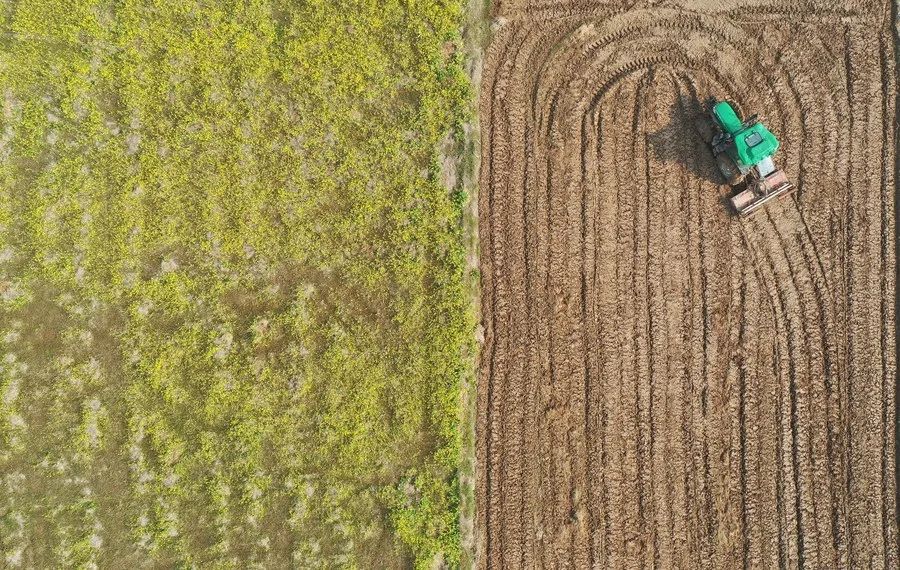
The document, the central authorities' first policy statement of the year, issued annually by the Communist Party of China Central Committee and the State Council, has long served as an indicator of government priorities.
Speaking at a news conference in Beijing on Tuesday, Tang Renjian, director of the Office of the Central Rural Work Leading Group and minister of agriculture and rural affairs, said that the key messages from the nine-section document were "securing bottom lines, bolstering vitalization and reinforcing support".
Tang said that the key tasks for agricultural officials include safeguarding national food security and preventing farmers who had been lifted out of poverty from falling back.
To vitalize less well-off rural regions, officials are also tasked with fostering rural industry, raising farmers' incomes and making the countryside a better place for people to live and work in.
Speaking at the news conference, hosted by the State Council Information Office, Tang said that, with the release of this year's "No 1 central document", this key policy statement had featured agriculture and rural affairs for 20 consecutive years.
This illustrated the central authorities' attitude toward work related to sannong, an official term referring to agriculture, rural areas and farmers.
He said the new guideline — the first since the 20th CPC National Congress held in October — has conveyed a strong message that more emphasis is being placed on work related to agriculture, rural areas and farmers.
The Party's redoubled emphasis on work in these three areas comes as the nation has set out on the Chinese path toward modernization, a new phase of endeavor announced at the landmark meeting, which aims to build China into a modern socialist country by 2050.
At the landmark congress, the central authorities proposed to accelerate the building of a strong agricultural sector, Tang said.
In December, while speaking at the annual Central Rural Work Conference, President Xi Jinping, also general secretary of the CPC Central Committee and chairman of the Central Military Commission, said that socialist modernization would be incomplete without agricultural and rural modernization.
This offered the foundation and guidance for drafting the latest "No 1 central document", as well as conducting work related to agriculture, rural areas and farmers on the new phase of the journey, the minister said.
To further elaborate, Tang said safeguarding food security is the paramount task, while raising farmers' incomes was a central assignment.
Tang said China's grain output hit a record high last year of 686.5 million metric tons and the plantation of oil crops — which had been heavily reliant on imports — also expanded significantly.
He said farmers have been incentivized to intercrop soybeans and corn in multiple areas, and rotate the two crops in Northeast China and in the vast areas surrounding the Yellow and Huaihe rivers. Steady progress has also been made in growing soybeans on barren saline and alkaline land.
Last year, despite the COVID-19 epidemic and extreme weather events, China managed to keep its annual food output above 650 million tons for the eighth consecutive year. The achievement was also realized while the cost of agricultural materials increased amid fluctuating global food prices, he said.
The year also saw rural per capita incomes rise 4.2 percent to reach 20,133 yuan ($3,393). That is 1.2 percentage points higher than the growth of the gross domestic product, and 2.3 percentage points higher than the growth in urban incomes, he added.
Wu Hongyao, deputy director of the Office of the Central Rural Work Leading Group, told the news conference that salaries and wages accounted for around 42 percent of rural incomes, and he and his colleagues would work this year to improve vocational services and training targeting rural migrants and to create more jobs.
记者:李磊
-
About Us
Company profile
Brand interpretation
Processing base
Development history
Honor of qualification
Enterprise culture
-
Main business
扫微信二维码上门服务-同城百度
IMPORT
-
News
二维码加微信叫小妹
Industry news
今日分享同城约茶空降服务
Hot track
-
Social responsibility
Social responsibility
-
Contact Us
今日推荐同城约茶服务电话:【进入平台叫小妹服务】同城约茶到家,同城叫小妹服务,新茶嫩茶服务:【查看同城约新茶服务】
6/5/4/3/2/1一键预约轻松体验服务,可直接去距离自己的线下体验店约茶会时间: 24:00小时完成签到.

“今日推荐同城约茶服务平台-进入查看咨询-【点开获取联系方式】-是国内茶友最为活跃的约茶论坛【进入网站查看约会服务】主要经营内容本地信息,24小时上门约茶,,茶VX二维码,24小时喝茶,品茶工作室,约茶服务,可约可空降,快餐,联系电话,空降服务,附近约茶,品茶服务,空降24小时,同城约会交友,附近喝茶,免费上门,上门服务平台,附近卖身,接私活,人到付款,同城服务,品茶,喝茶,过夜,酒店宾馆,qq,做完付款,新茶,微信【<查看网站上门咨询>】让欢迎客户来电咨询,?在快节奏的现代生活中,人们越来越渴望找到一片宁静之地,与亲朋好友共享一段悠闲时光,约茶服务“app怎么约茶:探索与你APP,轻松约茶,共享美好时光1231。