

6/5/4/3/2/1一键预约轻松体验服务,可直接去距离自己的线下体验店约茶会时间: 24:00小时完成签到.
“今日推荐同城约茶服务平台-进入查看咨询-【点开获取联系方式】-是国内茶友最为活跃的约茶论坛【进入网站查看约会服务】主要经营内容本地信息,24小时上门约茶,,茶VX二维码,24小时喝茶,品茶工作室,约茶服务,可约可空降,快餐,联系电话,空降服务,附近约茶,品茶服务,空降24小时,同城约会交友,附近喝茶,免费上门,上门服务平台,附近卖身,接私活,人到付款,同城服务,品茶,喝茶,过夜,酒店宾馆,qq,做完付款,新茶,微信【<查看网站上门咨询>】让欢迎客户来电咨询,?在快节奏的现代生活中,人们越来越渴望找到一片宁静之地,与亲朋好友共享一段悠闲时光,约茶服务“app怎么约茶:探索与你APP,轻松约茶,共享美好时光1231。
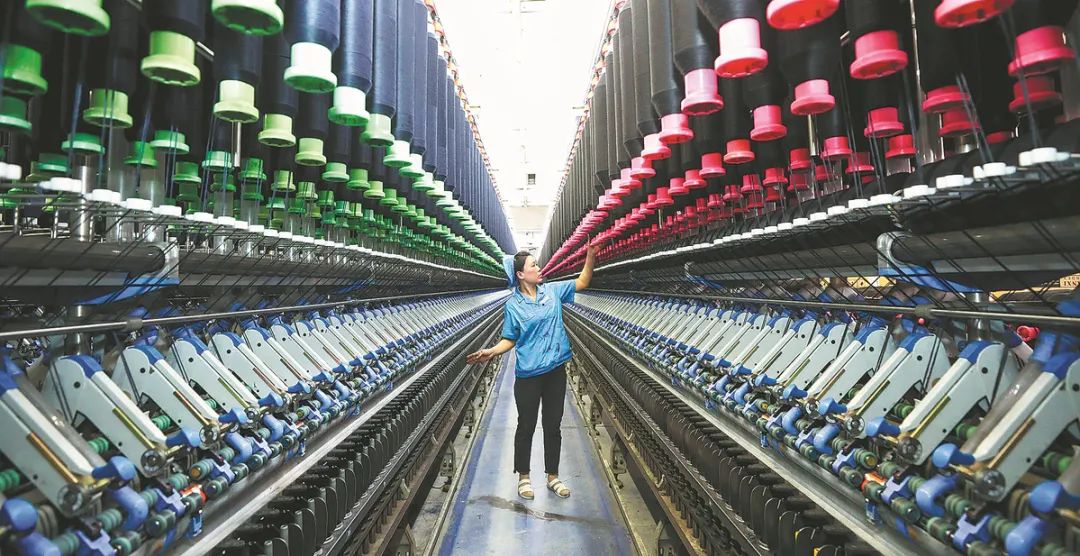
▲A textile company employee works at a factory in Huai'an, Jiangsu province, on Monday. China's purchasing managers index reached 50.1 in January, passing the 50-point mark that separates growth from contraction. ZHAO QIRUI/FOR CHINA DAILY
The official purchasing managers index for China's manufacturing sector bounced back to 50.1 in January, after reaching 47 in December, data from the National Bureau of Statistics showed. The 50-point mark separates contraction from growth.
China's non-manufacturing PMI came in at 54.4 in January, up from 41.6 in December.
The country's official composite PMI, which includes both manufacturing and services activities, came in at 52.9, compared with 42.6 in December, according to the NBS.
Analysts said the rapid expansion of economic activity signals that prospects for economic recovery are improving. Thanks to the implementation of optimized COVID containment measures, the robust recovery in activity and mobility, and stronger policy support, they expect a notable rebound in GDP growth in 2023.
The International Monetary Fund has also raised its forecast for China's economic growth in 2023 to 5.2 percent, up 0.8 percentage points from its projection in October. The country's recent moves have paved the way for a faster-than-expected recovery, the IMF said in its latest World Economic Outlook report.
Pierre-Olivier Gourinchas, IMF chief economist, said at a news conference held on Tuesday in Singapore to launch the report that the world is witnessing a rapid recovery of the Chinese economy.
The IMF also noted that world economic growth will slow from 3.4 percent in 2022 to 2.9 percent in 2023.
Zhao Qinghe, a senior statistician at the NBS, noted the improvement in China's vast manufacturing sector, saying that factory activity expanded due to resumption of normal production and daily life.
Total new orders bounced back to expansionary territory with its sub-index rising to 50.9 in January, the highest level seen since June 2021. Also, the sub-index for production stood at 49.8 in January compared with 44.6 a month earlier, according to the NBS.
Lu Ting, chief China economist at Nomura, said that January's official manufacturing PMI was in line with market expectations, while the non-manufacturing PMI was well above market expectations, thanks to the release of pent-up demand for in-person services sectors.
According to the Ministry of Culture and Tourism, there were 308 million domestic tourist visits during the seven-day Spring Festival holiday, up 23.1 percent year-on-year and equivalent to about 88.6 percent of the pre-COVID level in 2019.
Looking to February, Lu said his team expects both the manufacturing and non-manufacturing PMIs to rise further.
Lu also warned of headwinds and challenges ahead, given relatively moderate pent-up demand, mainly in catering and tourism, long-term issues in the property sector and weakening external demand.
Citing the State Council executive meeting chaired by Premier Li Keqiang on Saturday, Wen Bin, chief economist at China Minsheng Bank, said the country has stepped up efforts to consolidate the momentum of the recovery.
Noting the challenge of lackluster demand, the meeting called for measures to promote an early recovery of consumption as the main economic driving force, steadfastly advance opening-up as well as upgrade foreign trade and investment.
Looking into the full year, Wen said China is on track for a steady rebound with the COVID shocks fading and stimulus policies taking effect gradually. He forecast that the economy will likely expand around 5.5 percent in 2023, higher than the 3 percent GDP growth in 2022.
记者:欧阳诗嘉 赵焕新
-
About Us
Company profile
Brand interpretation
Processing base
Development history
Honor of qualification
Enterprise culture
-
Main business
扫微信二维码上门服务-同城百度
IMPORT
-
News
二维码加微信叫小妹
Industry news
今日分享同城约茶空降服务
Hot track
-
Social responsibility
Social responsibility
-
Contact Us
今日推荐同城约茶服务电话:【进入平台叫小妹服务】同城约茶到家,同城叫小妹服务,新茶嫩茶服务:【查看同城约新茶服务】
6/5/4/3/2/1一键预约轻松体验服务,可直接去距离自己的线下体验店约茶会时间: 24:00小时完成签到.


“今日推荐同城约茶服务平台-进入查看咨询-【点开获取联系方式】-是国内茶友最为活跃的约茶论坛【进入网站查看约会服务】主要经营内容本地信息,24小时上门约茶,,茶VX二维码,24小时喝茶,品茶工作室,约茶服务,可约可空降,快餐,联系电话,空降服务,附近约茶,品茶服务,空降24小时,同城约会交友,附近喝茶,免费上门,上门服务平台,附近卖身,接私活,人到付款,同城服务,品茶,喝茶,过夜,酒店宾馆,qq,做完付款,新茶,微信【<查看网站上门咨询>】让欢迎客户来电咨询,?在快节奏的现代生活中,人们越来越渴望找到一片宁静之地,与亲朋好友共享一段悠闲时光,约茶服务“app怎么约茶:探索与你APP,轻松约茶,共享美好时光1231。