

6/5/4/3/2/1一键预约轻松体验服务,可直接去距离自己的线下体验店约茶会时间: 24:00小时完成签到.

“今日推荐同城约茶服务平台-进入查看咨询-【点开获取联系方式】-是国内茶友最为活跃的约茶论坛【进入网站查看约会服务】主要经营内容本地信息,24小时上门约茶,,茶VX二维码,24小时喝茶,品茶工作室,约茶服务,可约可空降,快餐,联系电话,空降服务,附近约茶,品茶服务,空降24小时,同城约会交友,附近喝茶,免费上门,上门服务平台,附近卖身,接私活,人到付款,同城服务,品茶,喝茶,过夜,酒店宾馆,qq,做完付款,新茶,微信【<查看网站上门咨询>】让欢迎客户来电咨询,?在快节奏的现代生活中,人们越来越渴望找到一片宁静之地,与亲朋好友共享一段悠闲时光,约茶服务“app怎么约茶:探索与你APP,轻松约茶,共享美好时光1231。
Paola Duncan, co-founder of international pulse and grain traders Orionsea, chatted with Luke Wilkinson about the importance of the Chinese market and how high commodity prices are squeezing pulse acreage.
“Europe is also a market where we’re strengthening our presence all the time and China is important for us too”
“A lot of farmers are not prioritizing pulses because the bigger commodities are being traded at levels that we've not seen in a very long time.”
“I think we will see reduced consumption and people changing their diets in central and South America, not changing them completely, but definitely a reduction.”
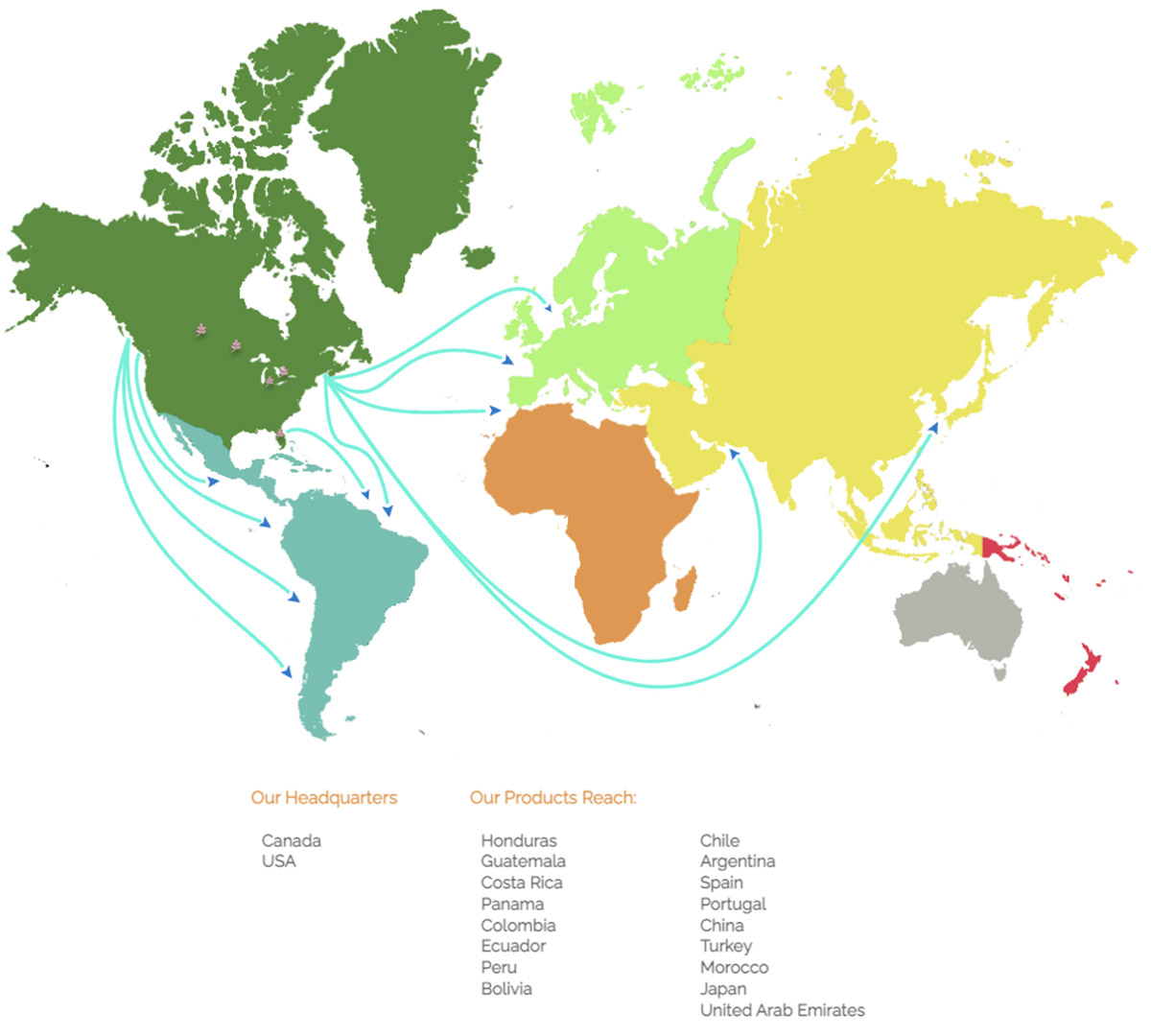
Markets Covered by Orionsea - Source: Orionseas.com
What kind of pulses are China importing from you mostly?
They import a lot of beans, like Great Northern beans, navies, black beans, black splits, and navy splits. It's interesting because a few years ago we would import from China because they had a big market and produced their own edible beans. I guess they're starting to use the acreage for other things now and they're actually importing a lot from North America and other places in Africa.
There’s been a lot of change in pulse markets over the last year. How do you see North American pulses changing over the year to come?
I think that's the question we've all been talking about, because a lot of the commodities, like wheat and canola are taking a lot more acreage. A lot of farmers are not prioritizing pulses because the bigger commodities are being traded at levels that we've not seen in a very long time. Soybeans are at their highest level, so if you're a farmer you weigh up the pros and cons of each commodity.
If a crop takes less time, requires less effort, and you are getting more for your money than, say, a black bean that needs more work and irrigation, then of course you're going to choose the easier option.
The reduction of pulse acreage due to commodities is a big concern and it’s going to put pressure on the price because quantities are lower. But, at the same time, a lot of Third World countries can't afford the prices that we’re used to in more developed countries.
Do you think the higher prices will make it difficult for some South American countries to buy pulses?
You know, I get to see both sides, which is really good because I understand the farmer and where they're coming from. I understand they want a certain price for their beans. But I also understand the consumer and that if the price isn't right, they might not buy the volumes they usually do.
If people usually buy a bag of 500g for a week, they're going to reduce that to 300g or 100g for the week depending on the family. I think we will see reduced consumption and people changing their diets in central and South America, not changing them completely, but definitely a reduction. In the end, people will find ways to change their diet according to the market.
How are you feeling about this year’s pulse crop in Canada?
I like to be optimistic and I would say that we've had good deals compared to last year – that’s to say, average yields. We also had good quality when it comes to pulses in northern and Eastern Canada. I did a crop top and everything looked pretty good. I'm more concerned about the west because of the slight delay they had in planting due to rain but overall it looks like we're going to have an average crop.
Acreage is lower, but we're going to have good yield compared to last year, for sure.

Last year’s poor crop has clearly had a significant effect. Do you expect this year to bring more stability?
Last year was sad; it made the crisis a lot worse. I'm hoping that this year with a more average yield and better quality, we're going to see prices be more stable and avoid a price drop like we saw two years ago.
This year I feel like the product will move. As I say, Central and South America buy according to price and need and North American pulses have better quality than a lot of other countries, which is also something that they are willing to pay for.
Things are also changing within North America, as we are seeing a shifting diet. All of a sudden last year our strongest market was our domestic market and the product stayed in North America because prices were so high; countries that normally imported from us look to buy lower quality pulses elsewhere.
In North America people are shifting to a healthier diet, and pulses being rich in nutrients, vitamins and fiber has really made the demand for them rise.
(from:PILSE POD)
-
About Us
Company profile
Brand interpretation
Processing base
Development history
Honor of qualification
Enterprise culture
-
Main business
扫微信二维码上门服务-同城百度
IMPORT
-
News
二维码加微信叫小妹
Industry news
今日分享同城约茶空降服务
Hot track
-
Social responsibility
Social responsibility
-
Contact Us
今日推荐同城约茶服务电话:【进入平台叫小妹服务】同城约茶到家,同城叫小妹服务,新茶嫩茶服务:【查看同城约新茶服务】
6/5/4/3/2/1一键预约轻松体验服务,可直接去距离自己的线下体验店约茶会时间: 24:00小时完成签到.


“今日推荐同城约茶服务平台-进入查看咨询-【点开获取联系方式】-是国内茶友最为活跃的约茶论坛【进入网站查看约会服务】主要经营内容本地信息,24小时上门约茶,,茶VX二维码,24小时喝茶,品茶工作室,约茶服务,可约可空降,快餐,联系电话,空降服务,附近约茶,品茶服务,空降24小时,同城约会交友,附近喝茶,免费上门,上门服务平台,附近卖身,接私活,人到付款,同城服务,品茶,喝茶,过夜,酒店宾馆,qq,做完付款,新茶,微信【<查看网站上门咨询>】让欢迎客户来电咨询,?在快节奏的现代生活中,人们越来越渴望找到一片宁静之地,与亲朋好友共享一段悠闲时光,约茶服务“app怎么约茶:探索与你APP,轻松约茶,共享美好时光1231。