

Add:1506,Tower West,Jinrun International Plaza,No.85 East Nanxijiang Street,Jianye District,Nanjing,China,210019
Tel:025-58866358、025-58933315
Fax:025-58867358
E-mail:info@bonagrain.com
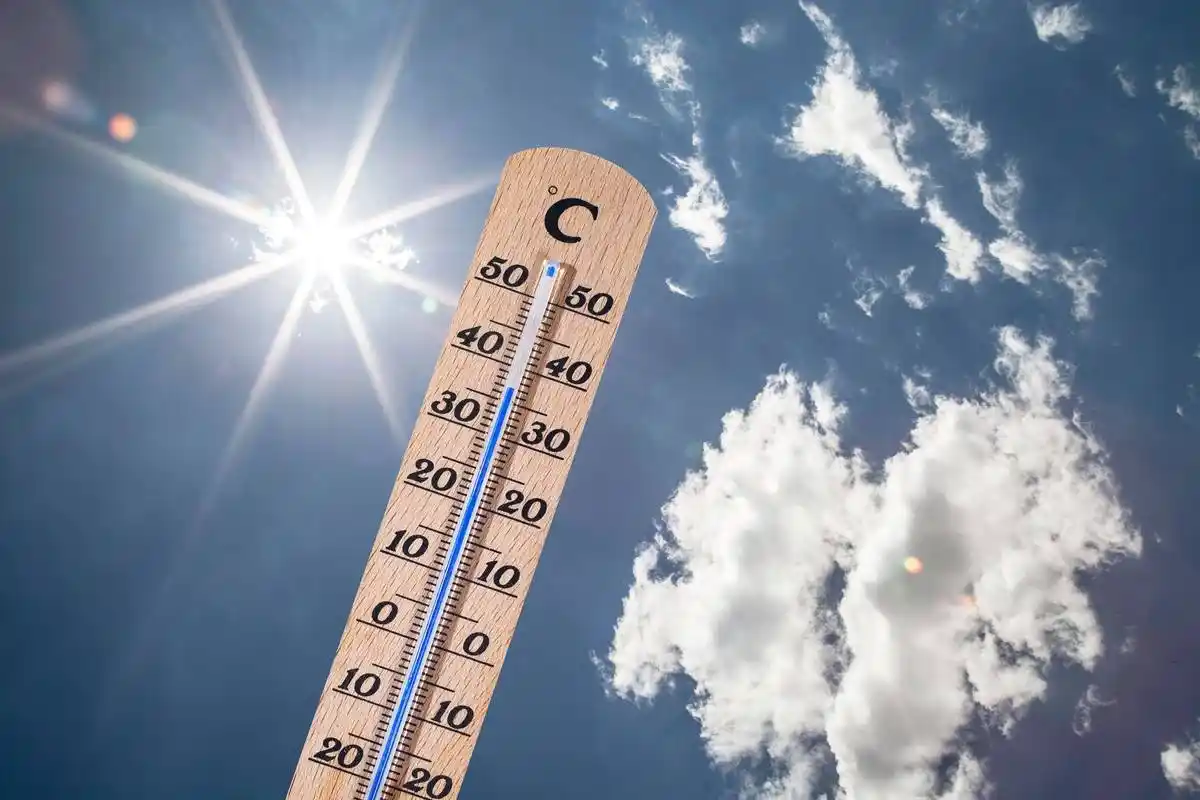
WMO spokeswoman Claire Nellis said Western Europe had its warmest June to July on record, the world had its second-warmest July on record and the average global sea surface temperature was the highest on record for the period.
Japan and South Korea both experienced record heat last week, while other parts of Asia and parts of Latin America also suffered heat, and parts of West Africa saw heavy monsoon rains and flooding, according to the World Meteorological Organization. Between January and the end of June this year, about 82 per cent of the world's oceans experienced Marine heatwaves of varying degrees.
In addition, last month was unusually active for wildfires in Western Europe, and in France, 2026 could go down as one of the worst wildfire years of the past 24 years. Wildfires in Spain are also significantly higher than average for this time of year, as are severe wildfires in parts of the western United States and Canada.
Extreme heat is becoming more frequent, more intense and lasting longer as the global climate continues to warm, said John Kennedy, head of climate information at the WMO. The extreme weather in recent months is the result of a combination of long-term warming and a persistent pattern of alternating high and low pressure, and there is no clear evidence linking the high temperatures in Western Europe this summer to El Nino. The World Meteorological Organization expects global temperatures to rise as El Nino continues to develop in the Pacific.
John Kennedy, HEAD OF CLIMATE INFORMATION, WMO: Extreme heat is becoming more frequent and more intense. It lasts longer and affects a much wider area than in cooler climates of the past. Looking back, June 1976 is a case in point. Because in June 1976, the distribution of high and low pressures and the distribution of warmer and cooler areas were very similar to this year. But what happened in 1976 was that only a few isolated areas in a cooler world had above-average temperatures, while by 2026 the reverse is true, with the whole world much warmer and only a few isolated areas below average. (CCTV News)
Source: Master Boyi

